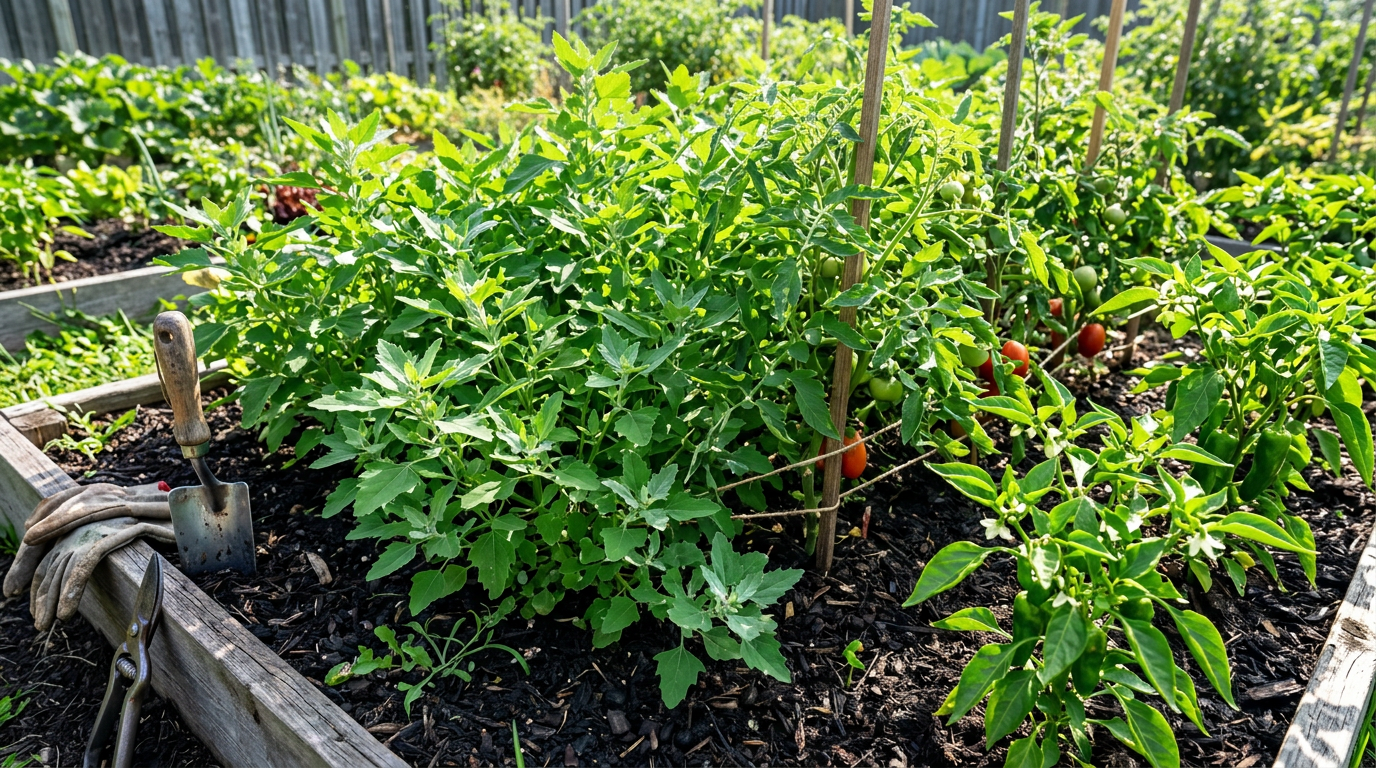
Where Does Lamb's Quarters Grow?
The short answer: almost everywhere. Lamb's quarters is one of the most cosmopolitan wild plants on Earth, found on every inhabited continent. Here's a complete look at its range, habitat preferences, and how to grow it intentionally.
Native Range & Global Distribution
Lamb's quarters (Chenopodium album) is native to Eurasia — its ancestral range spans from Western Europe through Central Asia. It was introduced to North America by European settlers during the colonial period, likely both as a food plant and unintentionally in grain and ballast soil.
Today, it has naturalized worldwide: across all of North America (including every U.S. state and Canadian province), Central and South America, Australia, New Zealand, Africa, and throughout Asia. It's considered a cosmopolitan weed — one of the most widespread plant species on the planet.
USDA Growing Zones
Essentially all USDA zones
Completes life cycle in one season; self-seeds prolifically
Active growing season in most temperate regions
As an annual, lamb's quarters completes its entire life cycle — germination, growth, flowering, and seed production — in a single growing season. It survives winters through its massive seed bank, not through the plant itself.
Where It Grows: Habitat Preferences
The key word for lamb's quarters habitat is disturbed soil. You'll find it in:
- Garden beds: Especially freshly tilled or composted areas — the #1 spot gardeners encounter it
- Compost piles: Thrives in the rich, loose material around and on compost
- Field edges: Agricultural field margins and hedgerows
- Roadsides: Road shoulders and disturbed verges
- Vacant lots: Any cleared or abandoned land with exposed soil
- Construction sites: Freshly disturbed ground
- Riverbanks: Floodplain areas with seasonal disturbance
Lamb's quarters is an indicator plant for fertile, nitrogen-rich soil. Where it appears abundantly, the soil is typically good for growing other things too.
Regional Notes
"Near Me" (North America)
If you're in North America, lamb's quarters grows near you — virtually guaranteed. From April through October, look in garden beds, compost areas, field edges, and anywhere soil has been recently disturbed. Peak abundance is midsummer (June–August).
Florida
In Florida, lamb's quarters can appear nearly year-round in some areas, with spring and fall being peak seasons. It tends to bolt quickly in the intense summer heat, so spring harvesting (February–April) is ideal in central and south Florida.
Minnesota
Minnesota offers an excellent spring-through-fall foraging window. The cold-tolerant plant emerges early (April–May) and provides tender greens through June. Late plantings can extend into September.
United Kingdom
Known as "fat hen" in the UK, lamb's quarters is a common garden and farm weed from June through September. It's found throughout England, Wales, Scotland, and Ireland, particularly in vegetable gardens, allotments, and agricultural fields.
Growing It Intentionally
If you want to cultivate lamb's quarters rather than just harvesting volunteers:
- Sun: Full sun (6+ hours) for best growth; tolerates partial shade
- Soil: Fertile, well-drained preferred; remarkably tolerant of poor conditions
- Water: Water young plants regularly; drought-tolerant once established
- Fertilizer: None needed — it's already an indicator of fertile soil
- Spacing: 12–18 inches for large, bushy plants; closer for cut-and-come-again harvesting
- Maintenance: Minimal. Pinch growing tips to encourage bushier growth. Harvest regularly for continuous production.
- Companion planting: Lamb's quarters can suppress other weeds and attracts beneficial insects (parasitic wasps, ladybugs)
For seed sourcing and planting details, see our seeds guide. For when and how to harvest your crop, see the harvesting guide.
Frequently Asked Questions
Is lamb's quarters native to North America?
No. Lamb's quarters (Chenopodium album) is native to Eurasia and was introduced to North America by European settlers, likely both intentionally (as a food crop) and accidentally (in grain shipments). It has since naturalized across the entire continent and is now one of the most common and widespread weeds in North America.
Does lamb's quarters grow in shade?
Lamb's quarters prefers full sun (6+ hours of direct sunlight) and produces the most vigorous growth and highest nutritional content in sunny conditions. However, it can tolerate partial shade (4–6 hours of sun) and will still grow, just more slowly and with a leggier, less bushy habit. Deep shade is not suitable.
What soil does lamb's quarters prefer?
Lamb's quarters is remarkably adaptable but thrives in fertile, nitrogen-rich, well-drained soil with a slightly alkaline to neutral pH. It's actually used as an indicator plant — where it volunteers prolifically, the soil is likely fertile and nitrogen-rich. That said, it will grow in poor, sandy, clay, or compacted soil as well, just less vigorously.